Boom-Bust Fitness and the Bedroom: Why Your Weekend Warrior Habits May Be Quietly Wrecking Your Sexual Health

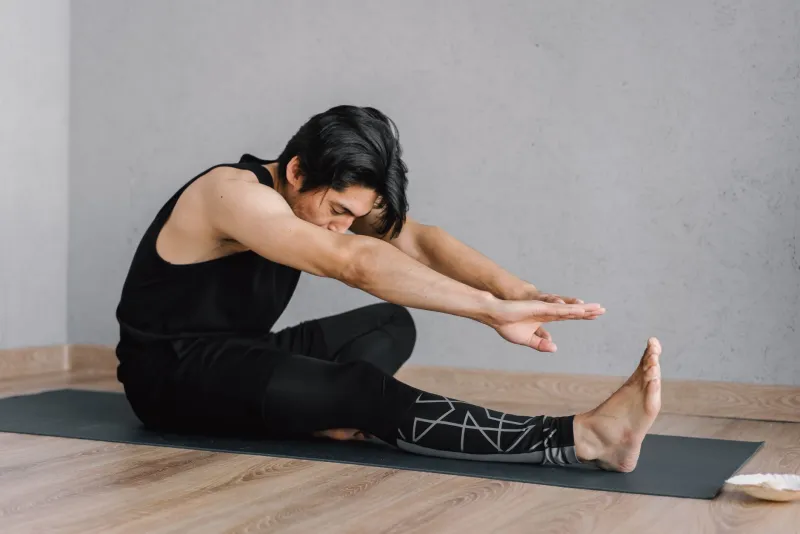
For millions of American men, the weekly fitness routine follows a familiar rhythm: five days of relative inactivity — long commutes, desk work, evenings on the couch — followed by two days of compensatory effort. Saturday morning runs at a punishing pace. Sunday afternoon basketball or heavy lifting sessions that leave muscles sore well into Tuesday. It feels productive. It feels balanced. And compared to doing nothing at all, it certainly seems healthier.
The problem is that the body does not experience this pattern as balance. It experiences it as a series of shocks — and over time, those shocks accumulate in ways that extend well beyond sore hamstrings. Among the less-discussed consequences of the boom-bust fitness cycle is a measurable deterioration in erectile function, one that research suggests may actually place the dedicated weekend warrior at a disadvantage compared to men who exercise far less but do so consistently.
The Physiology of the Boom-Bust Cycle
To understand why sporadic intense exercise undermines sexual health, it helps to examine what happens inside the body during and after a sudden high-intensity effort following days of inactivity.
When a sedentary body is abruptly subjected to aggressive physical stress, cortisol — the body's primary stress hormone — surges sharply. This is a normal acute response, designed to mobilize energy and manage inflammation. Under ordinary circumstances, regular moderate exercise conditions the body to manage these cortisol spikes efficiently, clearing them relatively quickly. In the boom-bust pattern, however, the body never develops that adaptive capacity. Each weekend session triggers an exaggerated cortisol response because the physiological infrastructure to handle it efficiently was never built.
Elevated cortisol is directly antagonistic to testosterone. The two hormones compete for the same biochemical precursors, and when cortisol remains persistently elevated — as it can for 24 to 48 hours following an unaccustomed intense effort — testosterone synthesis is suppressed. For men whose testosterone levels are already trending downward with age, this recurring suppression can create a meaningful hormonal deficit that compounds over months and years.
Testosterone is not merely a driver of libido. It plays a central role in nitric oxide synthesis, the process by which blood vessels relax and dilate to allow increased blood flow to erectile tissue. When testosterone is chronically suppressed, nitric oxide production is compromised, and the vascular mechanics of erection become less reliable.
Inflammation as the Hidden Mechanism
Beyond hormonal disruption, the boom-bust fitness pattern generates a distinct inflammatory signature that deserves attention.
Moderate, consistent exercise is anti-inflammatory over time. It trains the immune system to respond proportionately and resolve inflammation efficiently. Intense, infrequent exercise does the opposite — it produces acute inflammatory surges without the adaptive context that would allow for rapid resolution. Markers such as C-reactive protein and interleukin-6 spike sharply following unaccustomed intense effort and may remain elevated for several days.
Systemic inflammation is a well-established contributor to endothelial dysfunction — the impaired ability of blood vessel linings to regulate vascular tone. The endothelium is not a passive structure; it is an active organ that governs blood flow throughout the body, including to the penis. When endothelial cells are repeatedly stressed by inflammatory surges without adequate recovery, their functional capacity erodes. The result is diminished vascular responsiveness — exactly the physiological condition that underlies erectile dysfunction.
This means the weekend warrior is not simply tired on Monday. At the cellular level, his vascular system is recovering from a damaging inflammatory event, and the cumulative toll of that recurring cycle can meaningfully alter endothelial health over time.
The Sedentary Interval Problem
Equally important is what happens during the five inactive days between weekend sessions. Prolonged sedentary behavior — the kind that defines most American desk-based work weeks — independently suppresses nitric oxide production, reduces pelvic blood flow, and promotes the accumulation of visceral fat, a tissue type that is itself hormonally active and pro-inflammatory.
The critical point is that a two-day burst of intense activity does not neutralize five days of sedentary physiology. The body's vascular and hormonal systems respond to patterns, not peaks. A man who walks briskly for 30 minutes five days per week maintains a meaningfully different baseline vascular environment than one who is sedentary Monday through Friday and then runs six miles on Saturday. Even if the total weekly caloric expenditure is similar, the physiological outcomes diverge substantially.
Research examining men across different exercise patterns consistently finds that frequency and consistency of moderate activity correlate more strongly with erectile function than total volume or intensity. The vascular and hormonal benefits of exercise are largely products of repeated, sustainable signaling — not of occasional extreme effort.
Practical Strategies for Restructuring Your Week
The good news is that correcting the boom-bust pattern does not require giving up weekend athletic pursuits. It requires distributing activity more evenly and adjusting intensity to match the body's actual conditioning level.
Introduce movement on weekdays, even minimally. A 20-to-30-minute walk at a moderate pace on weekday mornings or evenings is sufficient to maintain vascular signaling, support nitric oxide production, and prevent the physiological stagnation that makes weekend exertion so disruptive. This does not require a gym membership or significant schedule restructuring — it requires only consistency.
Moderate weekend intensity relative to weekday activity. If Monday through Friday involves little structured exercise, Saturday's workout should reflect that reality. Gradual escalation of intensity over weeks allows the body to adapt without generating the exaggerated cortisol and inflammatory responses associated with unaccustomed effort.
Prioritize recovery as seriously as effort. Sleep, hydration, and adequate protein intake following intense exercise are not optional accessories — they are the mechanisms through which the body repairs vascular and hormonal systems. Men who consistently under-recover from weekend exertion extend their inflammatory burden into the following week, compounding the problem.
Consider the cumulative hormonal picture. Men experiencing symptoms of testosterone suppression — reduced libido, fatigue, difficulty maintaining erections — should discuss their exercise patterns with a healthcare provider alongside other potential contributing factors. Exercise habits are rarely the sole cause of erectile dysfunction, but they are a modifiable variable that deserves honest evaluation.
When Lifestyle Changes Are Not Enough
Restructuring exercise habits can produce meaningful improvements in erectile function over time, but it is important to recognize that lifestyle modification operates on a timeline of weeks to months — and for many men, additional medical support is appropriate and available.
At TadacipRx, we believe that access to effective, clinically validated treatment should not require navigating unnecessary barriers. Whether a man's erectile difficulties stem from vascular dysfunction, hormonal imbalance, or a combination of factors, a licensed healthcare provider can help evaluate the full picture and recommend a treatment approach — including medications where indicated — that complements the lifestyle changes he is making.
The weekend warrior pattern is one of the more correctable contributors to male sexual health decline. But correcting it requires first understanding why the intuitive logic — "more exercise is always better" — fails to account for how the body actually processes stress, recovers from inflammation, and maintains the vascular and hormonal conditions that support healthy sexual function.
Consistency, it turns out, is not just a virtue in personal finance or career development. In the physiology of sexual health, it may be the single most important variable of all.