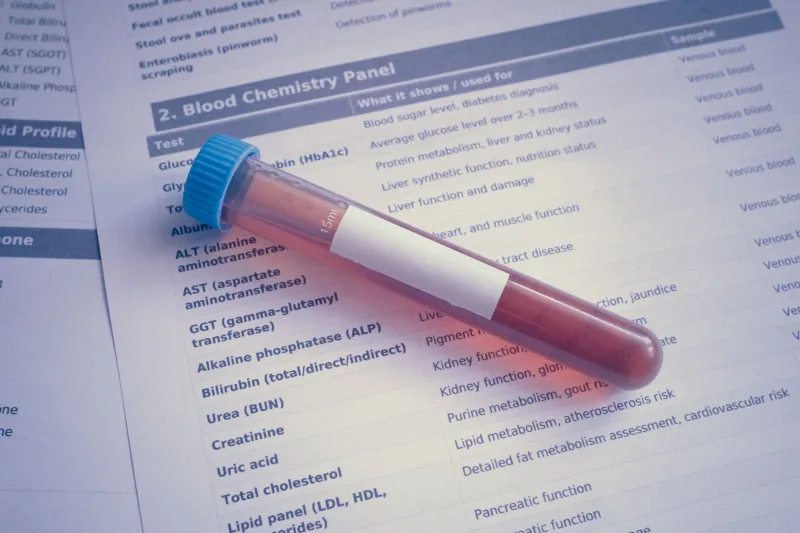
Blood Sugar, Blood Flow, and the Bedroom: How Diabetes Quietly Dismantles Men's Sexual Health
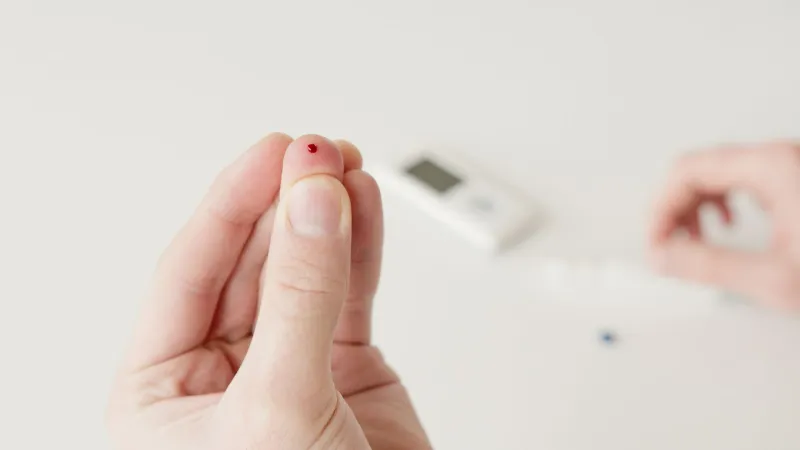
For many American men, a diagnosis of type 2 diabetes arrives alongside a familiar checklist of concerns: diet, weight, cardiovascular risk, medication management. What frequently goes unaddressed in that initial conversation — and what carries profound implications for quality of life — is the near-certain impact diabetes will have on sexual health. Research consistently demonstrates that men with diabetes are approximately three times more likely to develop erectile dysfunction than men without the condition. More troubling still, ED often emerges years before a formal diabetes diagnosis is ever made, functioning as a silent early warning system that far too many men and their physicians overlook.
Understanding why this connection exists, and what can realistically be done about it, requires a closer look at what uncontrolled blood glucose actually does to the human body at a physiological level.
What Elevated Blood Sugar Does to Blood Vessels
An erection is, at its most fundamental level, a vascular event. Sexual arousal triggers the release of nitric oxide, which signals the smooth muscle tissue lining the arteries of the penis to relax. Blood rushes in, pressure builds, and an erection is achieved and maintained. The entire process depends on the integrity of small blood vessels — precisely the structures that elevated glucose attacks most aggressively.
Chronic hyperglycemia — persistently high blood sugar — initiates a process called endothelial dysfunction. The endothelium is the thin cellular lining of every blood vessel in the body, and it is responsible for regulating blood flow, inflammation, and the production of nitric oxide. When glucose levels remain elevated over months and years, these cells become damaged. They produce less nitric oxide, they lose their ability to dilate properly, and they begin to accumulate fatty deposits that narrow the vessel walls. In the large arteries, this process is recognized as atherosclerosis. In the small, delicate blood vessels supplying the penis, the consequences are often more immediate and more devastating.
The result is reduced blood flow to penile tissue at precisely the moments it is most needed. Men may notice that erections are less firm, more difficult to achieve, or increasingly unreliable — symptoms that are easy to dismiss early on but that tend to worsen progressively as the underlying vascular damage deepens.
The Nerve Damage Factor: Diabetic Neuropathy and Sexual Response
Vascular damage alone does not fully account for the severity of ED in diabetic men. A second, equally destructive mechanism operates in parallel: peripheral neuropathy. Sustained high blood sugar damages the myelin sheath surrounding nerve fibers throughout the body, impairing the transmission of signals between the brain and peripheral tissues. When this damage affects the autonomic nerves responsible for triggering the physiological cascade of arousal, the sexual response system begins to break down at its very foundation.
Men with diabetic neuropathy may experience reduced penile sensitivity, diminished awareness of sexual stimulation, and a blunted ability to initiate the reflexive processes that produce an erection. Unlike vascular damage, which affects the mechanics of blood flow, neuropathy disrupts the neurological communication that gets the process started in the first place. Together, these two pathways create a compounding effect that makes diabetic ED among the most physiologically complex forms of the condition to address.
Why ED Often Precedes a Diabetes Diagnosis
One of the more clinically significant — and underappreciated — aspects of this relationship is its timeline. The vascular and neurological damage that diabetes causes does not begin the moment a physician records a fasting glucose above 126 mg/dL. It begins during the prediabetic phase, when blood sugar is elevated but not yet at diagnostic thresholds. For many American men, this phase lasts years, during which time silent damage accumulates.
Studies have found that erectile dysfunction is frequently present at the time of a diabetes diagnosis, suggesting that the penile vasculature and its associated nerve supply may be among the earliest casualties of metabolic dysregulation. This makes ED a potentially valuable clinical signal — one that, if taken seriously and investigated appropriately, could lead to earlier diabetes detection and earlier intervention.
For men experiencing unexplained ED, particularly those with other metabolic risk factors such as obesity, hypertension, or a family history of type 2 diabetes, a blood glucose evaluation is not merely advisable — it may be essential.
The Bidirectional Relationship: How ED Can Worsen Metabolic Health
The relationship between diabetes and erectile dysfunction is not strictly one-directional. Emerging research suggests that the psychological burden of ED — which frequently includes depression, anxiety, reduced self-esteem, and social withdrawal — can itself worsen glycemic control. Chronic psychological stress elevates cortisol levels, which in turn raises blood glucose and promotes insulin resistance. Men who disengage from physical activity due to the emotional weight of sexual dysfunction may also lose a key tool for blood sugar regulation.
This creates a feedback loop that, left unaddressed, allows both conditions to deteriorate simultaneously. Treating ED in isolation without addressing the underlying metabolic condition is unlikely to yield durable results. Conversely, aggressive glucose management that ignores the sexual health dimension misses a critical motivating factor for many men.
Glucose Management as a First-Line Intervention
For men at the intersection of diabetes and ED, the most evidence-supported starting point is also the most unsexy: blood sugar control. Clinical trials have demonstrated that improved glycemic control — achieved through dietary modification, physical activity, weight loss, and where appropriate, pharmacological management — can meaningfully restore erectile function, particularly in men whose ED has not yet become chronic.
Specific strategies that have demonstrated measurable benefit include:
Dietary restructuring: Reducing refined carbohydrate intake, increasing dietary fiber, and prioritizing foods with a low glycemic index reduces glucose spikes and supports endothelial health. The Mediterranean dietary pattern, in particular, has been associated with improved erectile function in men with metabolic syndrome.
Aerobic exercise: Regular moderate-intensity aerobic activity — the American Diabetes Association recommends at least 150 minutes per week — improves insulin sensitivity, supports cardiovascular health, and has been independently associated with reduced ED severity.
Weight management: Excess adipose tissue, particularly visceral fat, drives insulin resistance and suppresses testosterone production. Even modest weight loss of 5 to 10 percent of body weight has been shown to improve both glycemic control and sexual function in overweight men.
Pharmacological glucose management: For men whose blood sugar cannot be adequately controlled through lifestyle measures alone, medication is a necessary and effective complement. Physicians should be made aware of ED symptoms so that treatment plans can be designed with sexual health outcomes in mind.
When Lifestyle Changes Are Not Enough
Even with diligent glucose management, some men with long-standing diabetic vascular and nerve damage will find that ED persists. In these cases, prescription phosphodiesterase type 5 (PDE5) inhibitors — the class of medications that includes tadalafil — remain the most widely used and clinically validated pharmacological option. These medications work by amplifying the effects of nitric oxide on penile smooth muscle, helping to compensate for the reduced nitric oxide production that characterizes diabetic endothelial dysfunction.
It is worth noting that PDE5 inhibitors may be somewhat less immediately effective in men with severe diabetic neuropathy than in the general ED population, underscoring once again the importance of addressing the underlying metabolic condition rather than relying solely on symptomatic treatment.
For men navigating both conditions, access to a coordinated care approach — one that addresses blood sugar management, cardiovascular health, and sexual function as interconnected priorities — is essential. Telehealth platforms and online pharmacy services have expanded the ability of American men to access these conversations discreetly and conveniently, removing the barriers of cost, geography, and stigma that have historically kept many from seeking help.
Taking the First Step
The connection between diabetes and erectile dysfunction is not a peripheral footnote in men's health — it is a central and frequently underacknowledged relationship that affects millions of American men and their partners. Recognizing ED as a potential early signal of metabolic disease, understanding the vascular and neurological mechanisms at work, and committing to evidence-based glucose management are not merely strategies for improving sexual performance. They are investments in long-term cardiovascular health, neurological integrity, and overall quality of life.
The path to reclaiming sexual health in the context of diabetes begins not in the bedroom, but in the bloodstream. Managing what cannot be seen is, ultimately, the most powerful tool available.