More Than a Low Drive: How Declining Testosterone Silently Undermines Men's Sexual Health
When a man notices changes in his sexual performance, the instinct is often to reach for the most familiar solution. Erectile dysfunction medications are widely advertised, readily accessible through telehealth platforms, and genuinely effective for millions of Americans. But for a meaningful subset of men, those medications address only a surface-level symptom while the actual cause — declining testosterone — continues unaddressed beneath the surface.
Hormonal health and sexual function are deeply intertwined, yet the distinction between low testosterone and erectile dysfunction is frequently misunderstood, even by men who have been living with both conditions for years.
Testosterone and Erections: Understanding the Biological Link
Testosterone is the primary male sex hormone, produced predominantly in the testes and regulated by a complex feedback loop involving the brain's hypothalamus and pituitary gland. While it is most commonly associated with libido and muscle development, its influence extends considerably further — including into the mechanics of erectile function.
Erections depend on a cascade of neurological and vascular events. Testosterone plays a supporting role in maintaining the health of penile tissue, regulating nitric oxide production, and sustaining the sensitivity of nerve pathways involved in arousal. When testosterone levels drop significantly, this cascade becomes less reliable. The result can manifest as reduced sexual desire, difficulty achieving or maintaining erections, or both simultaneously.
However, it is important to understand that low testosterone and erectile dysfunction are not the same condition, even when they coexist. ED is a functional problem with multiple potential causes — cardiovascular disease, diabetes, psychological stress, medication side effects, and more. Low testosterone, or hypogonadism, is a hormonal disorder that may or may not produce erectile symptoms depending on the severity of the deficiency and the individual's overall health profile.
Why Men Treat the Symptom and Miss the Cause
The gap between these two conditions creates a common clinical blind spot. A man experiences difficulty with erections, consults a physician or telehealth provider, and receives a prescription for a phosphodiesterase-5 inhibitor — a class of medication that includes tadalafil and similar drugs. The medication works by enhancing blood flow to erectile tissue, and for many men, it provides meaningful relief.
But for men whose erection difficulties are primarily driven by hormonal deficiency, that relief may be partial or inconsistent. PDE5 inhibitors do not restore testosterone levels. They do not address diminished libido, fatigue, or the broader constellation of symptoms that accompany low T. A man in this situation may find that his medication "works sometimes" without understanding why the results feel unpredictable.
The underlying issue is that testosterone must be present at sufficient levels for PDE5 inhibitors to function optimally. Research has suggested that men with significantly low testosterone may experience reduced responsiveness to these medications compared to men with normal hormone levels. Addressing the hormonal deficiency first — or alongside ED treatment — often produces substantially better outcomes.
Recognizing Low Testosterone Beyond the Bedroom
One reason hormonal deficiency is so frequently overlooked is that its symptoms extend well beyond sexual function, and men often attribute them to aging, stress, or lifestyle factors rather than a treatable medical condition. Clinicians and patients alike may focus narrowly on the sexual complaint while missing the broader picture.
Common signs of low testosterone that extend beyond decreased libido and erectile difficulty include:
- Persistent fatigue and reduced energy, disproportionate to activity level or sleep quality
- Loss of muscle mass and increased body fat, particularly around the abdomen
- Mood disturbances, including irritability, low motivation, and symptoms that can resemble depression
- Cognitive changes, such as difficulty concentrating or a sense of mental fog
- Reduced bone density, which increases fracture risk over time
- Decreased body and facial hair
- Sleep disturbances, sometimes overlapping with conditions such as sleep apnea
No single symptom confirms a diagnosis. However, when several of these signs cluster together — particularly alongside changes in sexual function — they form a compelling reason to pursue hormonal testing.
How Testing Works and What Telehealth Offers
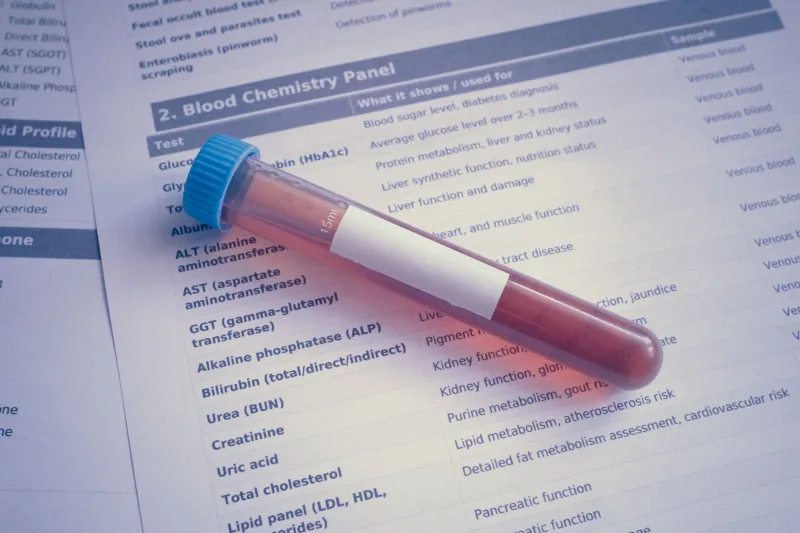
Diagnosing low testosterone requires a blood test measuring total testosterone levels, typically drawn in the morning when concentrations are naturally at their highest. Many clinicians also evaluate free testosterone — the biologically active fraction not bound to proteins — as well as related markers including luteinizing hormone (LH) and follicle-stimulating hormone (FSH), which help identify whether the deficiency originates in the testes or in the brain's regulatory centers.
For American men who have historically avoided this kind of evaluation due to inconvenience, cost, or discomfort with in-person appointments, telehealth has meaningfully lowered the barrier. Many digital health platforms now facilitate at-home or lab-ordered blood testing alongside physician consultations, allowing men to receive a hormonal evaluation without the friction of scheduling multiple in-person appointments. Results can be reviewed remotely, and treatment plans — if warranted — can be initiated through the same platform.
This model aligns with a broader shift in how Americans access healthcare. Convenience is no longer a luxury consideration; for men who might otherwise delay evaluation indefinitely, accessible testing can be genuinely life-changing.
Treatment Approaches: Hormone Therapy vs. ED Medications
When low testosterone is confirmed, treatment typically involves testosterone replacement therapy (TRT), which is available in several forms: topical gels, patches, injectable formulations, and implantable pellets. Each delivery method has its own pharmacokinetic profile, and the appropriate choice depends on patient preference, lifestyle, and clinical factors.
TRT is not without considerations. It requires ongoing monitoring to ensure levels remain within a therapeutic range and to watch for potential side effects, including effects on red blood cell production and fertility. Men who are planning to conceive should discuss this with their physician, as exogenous testosterone can suppress natural sperm production.
For men whose low testosterone coexists with vascular or psychological contributors to ED, a combined approach may be most effective. PDE5 inhibitors and testosterone replacement are not mutually exclusive; they work through different mechanisms and can complement one another when both conditions are present. The key is accurate diagnosis — understanding which factors are in play before determining which interventions are appropriate.
The Broader Implication: Hormonal Health as Whole-Body Health
Testosterone's role in the male body extends far beyond sexual performance. Adequate levels support cardiovascular health, metabolic function, bone integrity, and psychological well-being. A man who addresses low testosterone is not simply treating a bedroom concern; he is investing in his long-term health across multiple systems.
At TadacipRx, our commitment is to supporting informed healthcare decisions — which means helping men understand not just what medications are available, but whether those medications are addressing the right problem. For men who suspect that hormonal changes may be contributing to their symptoms, the most important first step is a conversation with a qualified healthcare provider and, where indicated, a straightforward blood test.
The solution may be simpler than expected. Or it may require a more comprehensive approach. Either way, the path to better sexual health — and better overall health — begins with accurate information.