Breaking the Silence: How Shame, Cost, and Stigma Keep Men From Treating ED — and Why Telehealth Is Turning the Tide

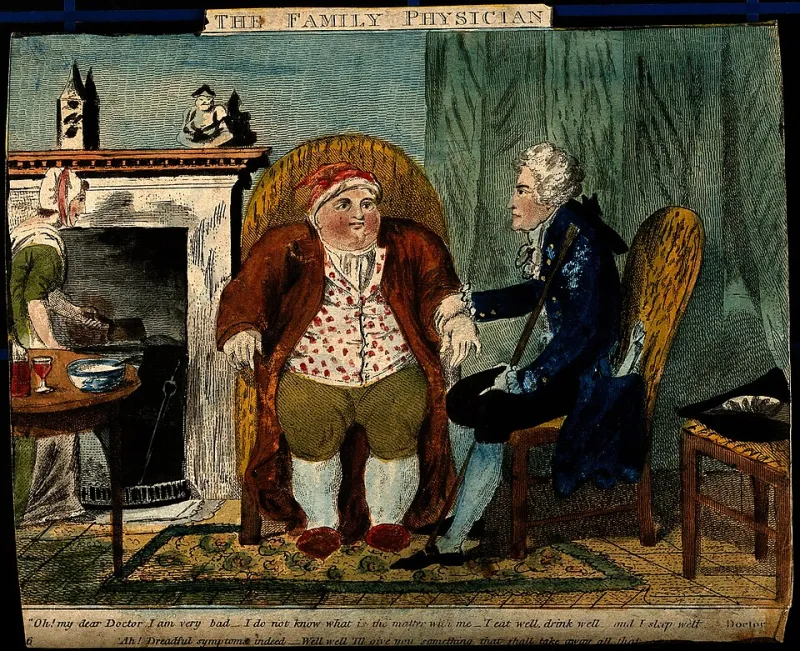
Photo: Pittigrilli, CC BY-SA 4.0, via Wikimedia Commons
Estimates from the National Institutes of Health suggest that more than 30 million American men experience erectile dysfunction (ED) at some point in their lives. Yet despite a robust marketplace of proven, affordable treatments, a significant portion of those men never seek help. They endure the condition in private — sometimes for years — while their confidence, relationships, and overall wellbeing quietly deteriorate.
The question worth asking is not whether effective solutions exist. They do. The more important question is: what stops men from reaching for them?
The Weight of Stigma in American Male Culture
For generations, American men have been conditioned to associate sexual performance with masculinity and self-worth. When that performance falters, many men interpret it not as a medical issue requiring attention, but as a personal failing requiring concealment. This conflation of physical health with identity is not unique to the United States, but it runs particularly deep in cultures that prize stoicism and self-reliance.
Surveys consistently find that men are far less likely than women to schedule routine medical appointments, discuss sensitive health concerns openly, or follow through on referrals to specialists. ED sits at the intersection of two subjects many men find especially difficult to discuss: sexual health and vulnerability. The result is a kind of double silence — men neither speak to their partners about what they are experiencing nor disclose it to a physician.
Shame operates subtly. A man may tell himself he will "wait and see" or attribute the issue to stress, alcohol, or fatigue. These rationalizations are not entirely unfounded — lifestyle factors do play a role — but they often serve as psychological permission to avoid a conversation the man dreads having.
Misconceptions That Compound the Problem
Beyond shame, a cluster of persistent misconceptions keeps many men from pursuing diagnosis and treatment.
"ED only affects older men." In reality, research published in the Journal of Sexual Medicine found that approximately one in four new ED patients is under the age of 40. Younger men may be even less inclined to seek help because they believe the condition simply does not apply to them at their age.
"It's all in my head." While psychological factors such as anxiety and depression can contribute to ED, the majority of cases have a physiological basis — impaired blood flow, hormonal imbalance, or neurological factors. Dismissing the condition as purely psychological leads men to believe willpower alone should resolve it.
"Medication is dangerous or embarrassing to take." Some men associate ED medications with an admission of defeat. Others have absorbed exaggerated concerns about side effects from informal sources rather than medical professionals. In truth, medications such as tadalafil — the active ingredient in Tadacip — have well-established safety profiles and are among the most thoroughly studied pharmaceutical compounds in modern medicine.
"Treatment is too expensive." This concern has genuine merit in the context of brand-name medications, which can cost tens of dollars per dose. However, FDA-approved generic alternatives have dramatically changed the cost landscape, making treatment accessible even for men without comprehensive insurance coverage.
The Traditional Healthcare Model and Its Shortcomings
Even men who move past stigma and misconceptions often encounter practical barriers when they attempt to seek care through conventional channels.
Scheduling an appointment with a primary care physician can take days or weeks. When the appointment finally arrives, the man must articulate an intimate concern in a clinical setting — often with limited time and a provider he may not know well. If a referral to a urologist is warranted, the process extends further. The prescription, once issued, must be filled at a local pharmacy where the man hands over documentation of his condition to a stranger behind a counter.
For many men, this gauntlet is simply not worth running. The friction is high enough that inaction feels preferable.
Telehealth and Online Pharmacies: A Structural Solution
The emergence of telehealth platforms and licensed online pharmacies has not merely added convenience to an existing system — it has fundamentally restructured the patient experience in ways that directly address the barriers described above.
Privacy, from start to finish. A man can consult with a licensed physician from his home, via a secure video call or asynchronous messaging platform, without sitting in a waiting room or navigating an in-person appointment. His prescription can be filled and shipped discreetly to his address. At no point is he required to discuss his condition publicly or hand a prescription to a pharmacist he knows from the neighborhood.
Reduced psychological friction. The keyboard, it turns out, is a more comfortable confessional than the examination table. Research in digital health has found that patients disclose sensitive health information more readily in online environments than in face-to-face consultations. For men dealing with ED, this matters enormously.
Affordability through generics. Reputable online pharmacies offer FDA-approved generic tadalafil — the same molecule found in brand-name products — at a fraction of the cost. For men who previously viewed treatment as financially prohibitive, this changes the calculus entirely.
Continuity and ease of refills. Managing a prescription through a trusted online pharmacy means fewer logistical hurdles over time. Refills can be requested without repeated appointments, and medications arrive on a schedule that supports consistent treatment rather than sporadic, shame-driven attempts.
What Men Should Know Before Getting Started
Navigating online healthcare requires the same due diligence as any medical decision. Men should ensure they are consulting with a licensed, board-certified physician — not an automated questionnaire that bypasses clinical judgment. A legitimate telehealth provider will review medical history, assess for contraindications, and recommend an appropriate dosage.
It is also worth understanding that ED is frequently a signal of broader cardiovascular health concerns. Impaired blood flow to one region of the body often reflects systemic vascular issues. A physician who identifies ED as a potential warning sign — rather than simply issuing a prescription and moving on — is providing genuinely valuable care.
At TadacipRx, we believe that access to trusted medications should not depend on a man's willingness to endure an uncomfortable process. Effective treatment for ED is available, evidence-based, and increasingly affordable. The barriers that once made seeking help feel impossible are eroding — one telehealth consultation at a time.
The silence does not have to continue.