From Waiting Rooms to Web Browsers: How Digital Prescriptions Are Reshaping American Healthcare in 2024

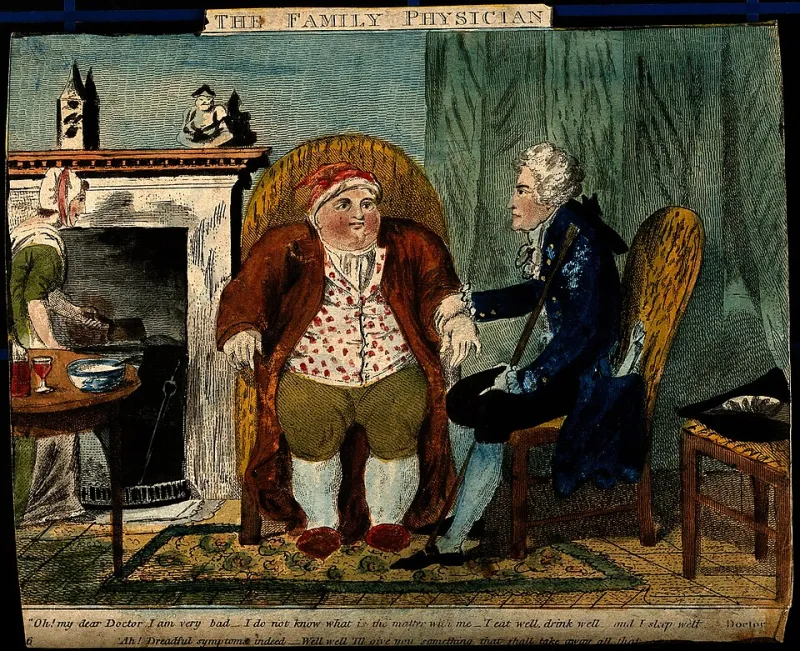
Photo: Shixart1985, CC BY 2.0, via Wikimedia Commons
Not long ago, obtaining a prescription in the United States meant scheduling an appointment, taking time off work, sitting in a waiting room, and then making a separate trip to a brick-and-mortar pharmacy. For many Americans — particularly those in rural communities, those without reliable transportation, or those managing chronic conditions that require ongoing refills — this process was not merely inconvenient. It was a genuine barrier to care.
That model is changing, and changing fast.
By the close of 2024, an estimated 116 million Americans have used telehealth services in some capacity, according to industry analysts. The licensed online pharmacy sector, once a niche corner of e-commerce, has evolved into a mainstream healthcare channel backed by regulatory frameworks, consumer protections, and growing institutional legitimacy. Understanding how this system works — and how to navigate it safely — has become an essential piece of modern health literacy.
The Regulatory Foundation: How Online Prescriptions Became Legal and Legitimate
The legal architecture governing digital prescriptions in the United States is more robust than many consumers realize. The Ryan Haight Online Pharmacy Consumer Protection Act of 2008 established foundational rules requiring that a valid prescription for controlled substances must be preceded by at least one in-person medical evaluation. However, the COVID-19 public health emergency prompted the Drug Enforcement Administration (DEA) to issue temporary waivers allowing telehealth providers to prescribe certain controlled substances without an in-person visit.
In 2023 and 2024, the DEA moved toward formalizing updated rules that would preserve some of this expanded telehealth prescribing authority on a permanent basis, recognizing that the pandemic-era model had demonstrated measurable benefits for patient outcomes and healthcare access. For non-controlled medications — including many commonly prescribed drugs for erectile dysfunction, blood pressure, cholesterol, and other chronic conditions — telehealth prescribing has faced far fewer restrictions and has operated within well-established legal parameters for years.
State medical boards and pharmacy licensing bodies also play a critical role. Legitimate online pharmacies must be licensed in every state in which they dispense medications, a requirement enforced by state pharmacy boards and monitored by organizations such as the National Association of Boards of Pharmacy.
What Patients Are Actually Gaining
The practical benefits of the telehealth-plus-digital-pharmacy model extend well beyond simple convenience, though convenience itself should not be underestimated as a driver of better health outcomes.
Improved access in underserved areas. Approximately 46 million Americans live in rural communities, many of which face physician shortages and limited pharmacy infrastructure. For these patients, the ability to consult with a licensed provider via video or asynchronous messaging — and receive medications by mail — can represent the difference between receiving treatment and going without.
Reduced barriers to sensitive health conversations. Conditions such as erectile dysfunction, sexually transmitted infections, mental health disorders, and hair loss carry social stigma that can deter patients from seeking care in traditional settings. The relative anonymity of a digital consultation lowers that threshold meaningfully. At TadacipRx, we observe this dynamic directly: patients who might never have walked into a clinic to discuss ED are far more willing to initiate that conversation through a secure online platform.
Cost transparency and competitive pricing. Traditional pharmacy pricing has long been opaque, with costs varying dramatically between locations, insurance plans, and even individual pharmacists. Digital pharmacy platforms typically publish their pricing clearly, enabling consumers to compare costs and select the most economical option without navigating a labyrinth of insurance negotiations.
Continuity of care for chronic conditions. For patients managing long-term conditions requiring ongoing prescriptions, digital platforms streamline the refill process and reduce the likelihood of treatment gaps caused by scheduling difficulties or pharmacy stock issues.
The Safety Question: Separating Legitimate Platforms from Bad Actors
The rapid growth of online pharmacy services has, predictably, attracted a subset of illegitimate operators seeking to exploit consumer demand. Rogue online pharmacies — many operating from overseas without proper licensing — sell counterfeit or substandard medications, dispense prescription drugs without requiring a valid prescription, and collect sensitive personal and financial data with no intention of protecting it.
The scale of this problem is not trivial. The World Health Organization estimates that a significant proportion of medications sold through unverified online channels are either counterfeit, contaminated, or mislabeled. Consuming such products carries serious health risks, including treatment failure and adverse drug reactions.
So how does a consumer distinguish a trustworthy platform from a fraudulent one? Several indicators are reliable.
First, look for NABP verification. The National Association of Boards of Pharmacy operates the .pharmacy domain program and its VIPPS (Verified Internet Pharmacy Practice Sites) accreditation, both of which signal that a pharmacy has met rigorous standards for licensure, safety, and professional practice.
Second, any legitimate online pharmacy will require a valid prescription from a licensed U.S. healthcare provider before dispensing prescription medications. Platforms that offer to sell prescription drugs without this requirement are operating outside the law.
Third, legitimate pharmacies provide clear contact information, including a licensed pharmacist available to answer patient questions. Anonymity is a red flag.
Privacy in the Digital Health Era
For many patients, the privacy implications of digital healthcare are a significant concern. Sharing sensitive medical information through an online platform requires trust that data will be handled responsibly and in compliance with applicable law.
The Health Insurance Portability and Accountability Act (HIPAA) applies to telehealth providers and online pharmacies just as it does to traditional healthcare entities. Covered entities must implement appropriate administrative, technical, and physical safeguards to protect patient health information. Patients should verify that any platform they use publishes a clear, HIPAA-compliant privacy policy and uses encrypted data transmission.
At TadacipRx, patient privacy is not treated as an afterthought — it is a core operational commitment. Every interaction on our platform is designed with data security as a primary consideration.
Looking Ahead: The Future of Digital Healthcare Access
The trajectory of telehealth and digital pharmacy services points unmistakably toward continued growth and deeper integration into the American healthcare mainstream. Major health systems, insurance providers, and employers are investing heavily in digital health infrastructure, and consumer adoption rates continue to climb across all age demographics — not just younger, tech-savvy patients.
For patients managing conditions that require ongoing medication — whether that is an ED treatment like tadalafil, a blood pressure regimen, or a mental health prescription — the ability to access licensed care and have medications delivered reliably and affordably represents a qualitative improvement in quality of life.
The waiting room is not disappearing entirely. But for millions of Americans, it is no longer the only door into the healthcare system. Platforms like TadacipRx exist to ensure that the digital door is safe, transparent, and genuinely worthy of the trust patients place in it.