Tadalafil Explained: Dosing Schedules, Food and Drug Interactions, and How to Talk to Your Doctor

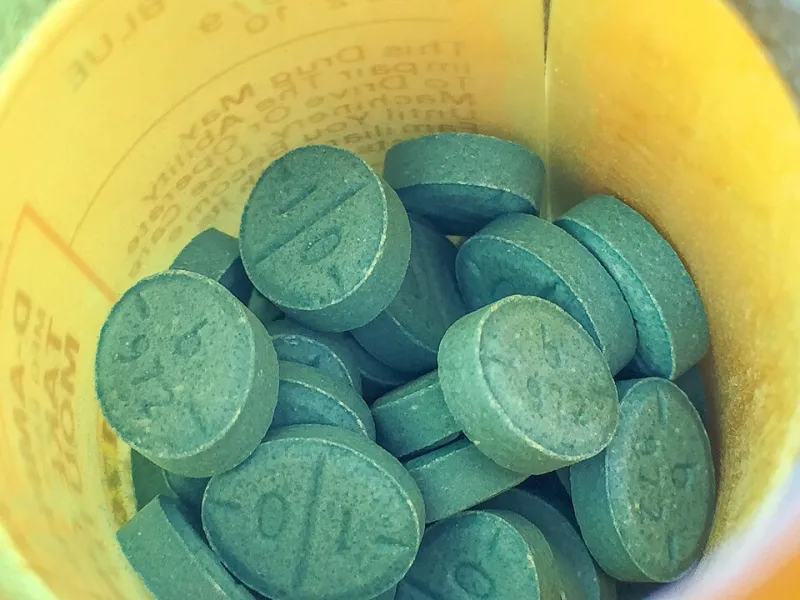
Photo: U.S. Air National Guard photo by Master Sgt. Nicholas Perez, Public domain, via Wikimedia Commons
Navigating a new prescription can feel overwhelming, particularly when the medication in question involves sensitive health concerns and comes with a list of considerations that your pharmacist may not have had time to walk through in detail. Tadalafil — the active ingredient in brand-name Cialis and in generics such as Tadacip — is a highly effective, well-studied medication, but using it correctly requires more than simply taking a pill and waiting. Understanding the nuances of dosing, timing, dietary factors, and drug interactions can meaningfully improve both safety outcomes and treatment satisfaction.
This guide is designed to serve as a practical, plain-language reference for patients who want to use tadalafil responsibly and confidently.
Understanding What Tadalafil Actually Does
Tadalafil belongs to a class of medications known as phosphodiesterase type 5 (PDE5) inhibitors. It works by relaxing the smooth muscle tissue in blood vessel walls, which allows blood to flow more freely into specific tissues. In the context of erectile dysfunction, this mechanism facilitates the engorgement necessary for an erection in response to sexual stimulation. It is important to note that tadalafil does not produce erections independently — sexual arousal remains a prerequisite.
Beyond ED, tadalafil is also FDA-approved for the treatment of benign prostatic hyperplasia (BPH) and pulmonary arterial hypertension (PAH), where its vasodilatory properties serve different but related therapeutic purposes.
Daily vs. As-Needed Dosing: Which Approach Is Right for You?
One of the most distinctive features of tadalafil — compared to other PDE5 inhibitors like sildenafil — is the availability of two distinct dosing regimens. Understanding the difference is essential for aligning the medication to your lifestyle and health goals.
As-Needed Dosing (10 mg or 20 mg) As-needed tadalafil is taken approximately 30 to 60 minutes before anticipated sexual activity. Its effects can persist for up to 36 hours, which is considerably longer than other medications in its class and earns it the informal nickname "the weekend pill." This duration provides a broader window of spontaneity without requiring precise timing around intimacy. As-needed dosing is typically appropriate for men who have intercourse less frequently or who prefer not to take a daily medication.
Daily Low-Dose Dosing (2.5 mg or 5 mg) Low-dose daily tadalafil maintains a consistent blood plasma level of the drug, effectively keeping the medication active at all times. This approach eliminates the need for planning around doses and is often preferred by men who are sexually active multiple times per week or who also have BPH symptoms, since the 5 mg daily dose is FDA-approved for both conditions simultaneously. Some men also report that daily dosing produces a more natural-feeling response over time.
The choice between these regimens should be made in consultation with a licensed healthcare provider, who can factor in your frequency of sexual activity, any concurrent medications, and your overall cardiovascular health.
Food and Alcohol: What to Know Before You Take Tadalafil
One of tadalafil's practical advantages over some competing medications is its relative flexibility with respect to food. Unlike sildenafil, which can be significantly delayed or reduced in effectiveness when taken with a high-fat meal, tadalafil's absorption is not meaningfully affected by food intake. You may take it with or without a meal, which simplifies use considerably.
Alcohol, however, warrants more caution. Both tadalafil and alcohol independently lower blood pressure. Combining them — particularly in larger quantities — can cause additive hypotensive effects, potentially resulting in dizziness, lightheadedness, or fainting. Moderate alcohol consumption (generally defined as one to two standard drinks) is typically considered acceptable, but heavy drinking in proximity to tadalafil use is inadvisable and should be discussed with your physician.
Grapefruit and grapefruit juice present a separate concern. Compounds in grapefruit inhibit a liver enzyme called CYP3A4, which is responsible for metabolizing tadalafil. Consuming grapefruit products can raise tadalafil blood levels above intended therapeutic ranges, increasing the likelihood of side effects. Patients are generally advised to avoid grapefruit products while using tadalafil.
Drug Interactions: Critical Combinations to Discuss With Your Provider
Tadalafil has several clinically significant drug interactions that patients must be aware of before beginning therapy.
Nitrates — An Absolute Contraindication The most important interaction involves nitrate medications, which are commonly prescribed for angina (chest pain) and include drugs such as nitroglycerin, isosorbide mononitrate, and isosorbide dinitrate. The combination of tadalafil and nitrates can cause a severe, potentially life-threatening drop in blood pressure. This combination is absolutely contraindicated, and any man taking nitrates in any form should inform his prescriber before tadalafil is considered.
Alpha-Blockers and Antihypertensives Men being treated for high blood pressure or BPH with alpha-blockers (such as tamsulosin, doxazosin, or terazosin) may experience enhanced blood pressure-lowering effects when tadalafil is added. This does not necessarily preclude concurrent use, but it does require careful dose selection and monitoring. Your provider may recommend a lower starting dose of tadalafil and advise you to take the two medications several hours apart.
CYP3A4 Inhibitors and Inducers Certain medications alter how the liver processes tadalafil. Strong CYP3A4 inhibitors — including some antifungal drugs like ketoconazole and certain HIV protease inhibitors — can raise tadalafil levels significantly, necessitating dose reduction. Conversely, CYP3A4 inducers like rifampin can reduce tadalafil's effectiveness. Always provide your prescriber and pharmacist with a complete list of all medications, supplements, and herbal products you are currently using.
Common Side Effects and When to Seek Immediate Care
The most frequently reported side effects of tadalafil include headache, flushing, nasal congestion, back pain, and indigestion. These are generally mild and transient, resolving within a few hours. Back pain and muscle aches, which are somewhat more commonly associated with tadalafil than with other PDE5 inhibitors, typically appear 12 to 24 hours after use and resolve within 48 hours.
Patients should seek immediate medical attention if they experience sudden vision loss, sudden hearing loss or ringing in the ears, chest pain during or after sexual activity, or an erection lasting longer than four hours (priapism). These are rare but serious events that require prompt evaluation.
How to Have a Productive Conversation With Your Healthcare Provider
Many patients feel uncertain about how to raise questions regarding tadalafil with their physicians. A few practical recommendations:
- Be forthright about your full medication list. Even over-the-counter drugs and supplements can matter.
- Describe your lifestyle accurately. Frequency of sexual activity, alcohol use, and exercise habits all inform dosing decisions.
- Ask specifically about dosing flexibility. If one regimen does not suit your schedule, alternatives may be available.
- Report side effects promptly. Many can be managed with dosage adjustments rather than discontinuation.
- Request follow-up. Treatment efficacy should be reassessed periodically, particularly if underlying conditions like blood pressure or diabetes are being managed concurrently.
At TadacipRx, we believe that informed patients are empowered patients. Access to affordable, quality medications is only part of the equation — understanding how to use them safely and effectively is equally essential. Our platform connects patients with licensed healthcare providers who can guide dosing decisions and answer the questions that often go unasked in a brief office visit.