Breathe, Sleep, Perform: The Alarming Chain Reaction Linking Sleep Apnea to Heart Disease and Erectile Dysfunction
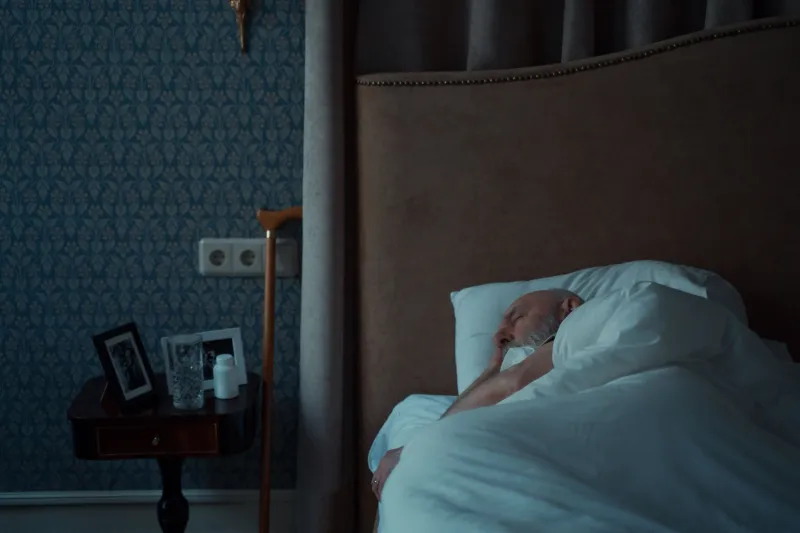
For most men, a snoring problem seems like little more than a nuisance — an inconvenience for their partner, perhaps, but hardly a medical emergency. Yet beneath the surface of each gasping, interrupted night of sleep, something far more consequential may be unfolding. Obstructive sleep apnea (OSA), a condition affecting an estimated 30 million Americans, is increasingly recognized not merely as a sleep disorder but as a systemic threat to cardiovascular integrity and, perhaps more surprisingly, sexual function.
The connections between these three domains — sleep, heart health, and erectile performance — are not coincidental. They are mechanistic, well-documented, and, crucially, preventable.
What Sleep Apnea Actually Does to the Body
Obstructive sleep apnea occurs when the muscles of the throat relax during sleep, causing the airway to narrow or collapse entirely. The result is repeated episodes of partial or complete cessation of breathing, sometimes dozens or even hundreds of times per night. Each episode triggers a brief arousal from sleep as the brain scrambles to restore normal respiration.
While the most visible consequence is daytime fatigue, the physiological damage accumulates in ways that are far less obvious. Every apnea event causes a measurable drop in blood oxygen saturation — a state known as intermittent hypoxia. The body responds to this oxygen deficit by activating its stress response: adrenaline surges, heart rate spikes, and blood pressure climbs. Repeated nightly, this cycle places the cardiovascular system under sustained duress.
Over time, intermittent hypoxia promotes systemic inflammation, oxidative stress, and endothelial dysfunction — all of which are recognized precursors to serious cardiovascular disease.
The Cardiovascular Toll: More Than Just Blood Pressure
The relationship between sleep apnea and cardiovascular disease is among the most thoroughly studied in sleep medicine. Research consistently demonstrates that men with untreated OSA face significantly elevated risks of hypertension, coronary artery disease, cardiac arrhythmias — particularly atrial fibrillation — and stroke.
Hypertension is perhaps the most direct consequence. The repeated nocturnal blood pressure surges caused by apnea events gradually remodel arterial walls, making them stiffer and less responsive. This structural change, known as arterial stiffness, is an independent predictor of heart attack and stroke, even in men who otherwise appear healthy.
Beyond blood pressure, the chronic inflammation associated with untreated sleep apnea accelerates atherosclerosis — the buildup of fatty plaques within arterial walls. These plaques narrow the vessels, restrict blood flow, and create the conditions for potentially life-threatening cardiac events. For younger men, this process may be silently advancing for years before any symptoms emerge.
The American Heart Association has formally recognized OSA as a significant modifiable risk factor for cardiovascular disease, placing it alongside smoking, obesity, and physical inactivity in terms of its impact on long-term heart health.
The Vascular Bridge to Erectile Dysfunction
Understanding how sleep apnea damages the heart also illuminates its effect on sexual performance — because both depend on the same fundamental mechanism: healthy blood flow through responsive, flexible vessels.
Erections are, at their core, a vascular event. Sexual arousal triggers the release of nitric oxide in penile tissue, which relaxes smooth muscle and allows blood to flood the corpus cavernosum, producing and sustaining an erection. When the vascular system is compromised — whether by endothelial damage, arterial stiffness, or reduced nitric oxide bioavailability — this process is disrupted.
Sleep apnea attacks each of these links in the chain. Chronic intermittent hypoxia reduces nitric oxide production, impairs endothelial function, and promotes the kind of microvascular damage that directly undermines erectile capacity. Studies published in peer-reviewed journals, including the Journal of Sexual Medicine, have found that men with moderate to severe OSA are significantly more likely to experience erectile dysfunction than men without the condition — and that the severity of apnea correlates with the severity of sexual impairment.
Additionally, sleep deprivation itself suppresses testosterone production. The majority of daily testosterone synthesis occurs during deep sleep stages — the very stages that sleep apnea most aggressively disrupts. Lower testosterone compounds the problem, further dampening libido and contributing to the cycle of sexual dysfunction.
Why So Many Cases Go Undiagnosed
Despite its prevalence and its consequences, sleep apnea remains dramatically underdiagnosed in the United States. The American Academy of Sleep Medicine estimates that as many as 80 percent of cases go undetected. Several factors contribute to this gap.
First, the most recognizable symptom — loud snoring — is often dismissed or normalized, particularly among men who live alone or whose partners have grown accustomed to it. Second, daytime sleepiness, cognitive fog, and mood disturbances are frequently attributed to work stress, aging, or lifestyle factors rather than a treatable medical condition. Third, many men simply do not pursue regular medical care, making screening opportunities rare.
This is particularly concerning because the damage accumulates silently. A man in his late thirties with untreated sleep apnea may not experience a cardiac event for another decade — but the arterial and endothelial changes setting the stage for that event are already underway.
Screening and Treatment: A Critical Intervention Point
The good news is that sleep apnea is both diagnosable and treatable. Home sleep testing, now widely available through telehealth platforms and primary care providers across the country, has made screening significantly more accessible than it once was. Men who snore loudly, experience unexplained fatigue, wake frequently during the night, or have been told they stop breathing during sleep should discuss evaluation with a healthcare provider promptly.
The most established treatment for moderate to severe OSA remains continuous positive airway pressure (CPAP) therapy, which keeps the airway open during sleep by delivering a steady stream of pressurized air. For many men, CPAP produces dramatic improvements in sleep quality, blood pressure, and daytime energy — often within the first few weeks of use.
Clinical evidence also suggests that effective OSA treatment can improve erectile function. A 2021 meta-analysis found that men who achieved good compliance with CPAP therapy reported meaningful improvements in erectile performance, consistent with the hypothesis that restoring normal oxygenation and sleep architecture reverses some of the vascular and hormonal damage the condition causes.
Treating the Whole Picture
For men who are already experiencing erectile dysfunction in the context of sleep apnea or cardiovascular compromise, treating the underlying condition is an essential first step — but it may not be sufficient on its own. Vascular damage, once established, does not always reverse completely, and the neurological and hormonal disruptions caused by years of poor sleep can persist even after the airway obstruction is corrected.
In these cases, clinically proven pharmacological options — including FDA-approved phosphodiesterase type 5 inhibitors — can play an important role in restoring sexual function while the broader health picture is addressed. At TadacipRx, we believe that men deserve access to evidence-based treatment options through a safe, convenient, and medically supervised channel. Whether the path to better health begins with a sleep study, a conversation with a cardiologist, or a consultation about ED treatment, the important thing is that it begins.
The Bottom Line
Sleep apnea is not merely a nighttime inconvenience. It is a systemic condition that quietly degrades the cardiovascular infrastructure upon which both heart health and sexual function depend. For the millions of American men currently living with undiagnosed OSA, the stakes extend well beyond restless nights and morning fatigue.
Early screening, timely treatment, and a comprehensive approach to vascular wellness are not optional extras — they are foundational to long-term health. The connection between breathing well at night and performing well in every dimension of life is not metaphorical. It is physiological, documented, and actionable.