The Refill Is Not the Review: A Quarterly Checklist for Tadalafil Users

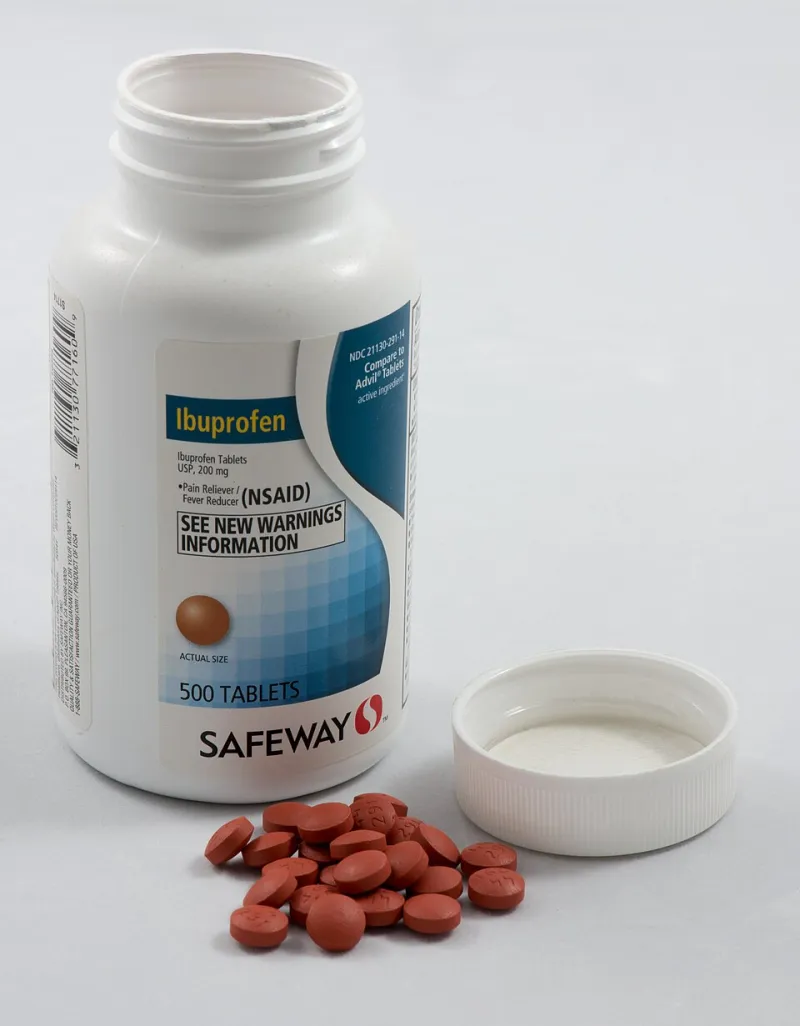
Photo: 807th Medical Command (Deployment Support) from Salt Lake City (Fort Douglas), UT, United States of America, CC BY 2.0, via Wikimedia Commons
Refilling a prescription is a routine action. Reviewing it is a clinical one. For men using tadalafil, the distinction matters. An online refill can take less than a minute, but the decision behind it deserves a structured pause at least every 90 days. This checklist is not a substitute for a clinician or pharmacist. It is a way to arrive at the next refill conversation with better information.
Begin with the reason treatment started
Tadalafil is prescribed for a reason, and that reason can change. Before reordering, ask whether erectile function has improved, worsened, or stayed the same. Note whether the change is consistent or situational. Morning erections, libido, relationship stress, sleep quality, and exercise tolerance all provide useful context. A brief written log is more reliable than memory, especially when appointments are short or refills are handled online.
Patients should also distinguish between a medication that is not working and a medication that is working less predictably. Stress, fatigue, alcohol, and travel can affect response. A clinician needs the pattern, not just the outcome of one disappointing experience.
Track symptoms, not only failures
A useful 90-day review includes frequency of sexual activity, timing of doses, and response. For daily tadalafil, consistency matters more than timing around a specific event. For as-needed use, the interval between dose and activity is relevant. If the patient is following the label and still sees no meaningful response, that is a clinical question, not a reason to self-adjust the dose.
Men should also note any return of symptoms that had previously improved. Erectile dysfunction can be an early marker of vascular or metabolic change. A change in function is worth mentioning even if the prescription itself seems unrelated.
Audit side effects with dates and details
Tadalafil is generally well tolerated, but common effects can include headache, flushing, nasal congestion, indigestion, and back or muscle pain. The review should capture when these occur, how long they last, and whether they interfere with daily life. Mild and transient effects are different from persistent or severe ones.
Red flags require urgent medical attention rather than a refill discussion. These include sudden vision loss or changes, sudden hearing loss, chest pain, fainting, or an erection lasting longer than four hours. Patients should not wait for an online checkout to address those symptoms.
Reconcile every medication and supplement
New prescriptions are a common reason a tadalafil review matters. Nitrates remain contraindicated with tadalafil because the combination can cause dangerous hypotension. Alpha blockers, blood pressure medications, antifungal agents, certain HIV medications, and seizure medications may also require caution or dose adjustment. Over-the-counter products and supplements belong on the list as well.
A trustworthy online pharmacy should screen for interactions before dispensing, but patients should not outsource the entire task. Keep an updated medication list and bring it to the clinician or pharmacist. Do not stop a prescribed medication without guidance.
Check blood pressure and cardiovascular context
Erectile dysfunction frequently overlaps with cardiovascular risk. A 90-day review is a reasonable time to confirm whether blood pressure has been checked and whether any new dizziness, palpitations, or exercise intolerance has appeared. Home readings can be useful, but they should be interpreted by a clinician. Patients should not adjust blood pressure medication on their own.
Review logistics and adherence
Supply, storage, and refill timing are part of treatment. Check expiration dates, keep medication in its labeled container, and store it away from heat and moisture. If doses are being missed, identify why. Daily treatment may fit better with a morning routine; as-needed treatment may require planning ahead. The goal is not perfection but a schedule the patient can actually follow.
Bring specific questions to the next conversation
A productive review ends with a short list: Is the current dose and formulation still appropriate? Have any new medications changed the risk profile? Do side effects warrant a change? Should blood pressure or laboratory testing be updated? How should missed doses or travel be handled? Can a 90-day supply be dispensed if appropriate? These questions turn a refill into a review.
At TadacipRx, convenience should not mean abandoning follow-up. A refill prompt is most useful when it leads to a clearer conversation with a licensed clinician or pharmacist. Before clicking reorder, spend fifteen minutes on the checklist. The prescription may stay the same, but the patient’s understanding of it should not.