Heat, Humidity, and the Glovebox: Why Your Pills May Be Older Than Their Label Says
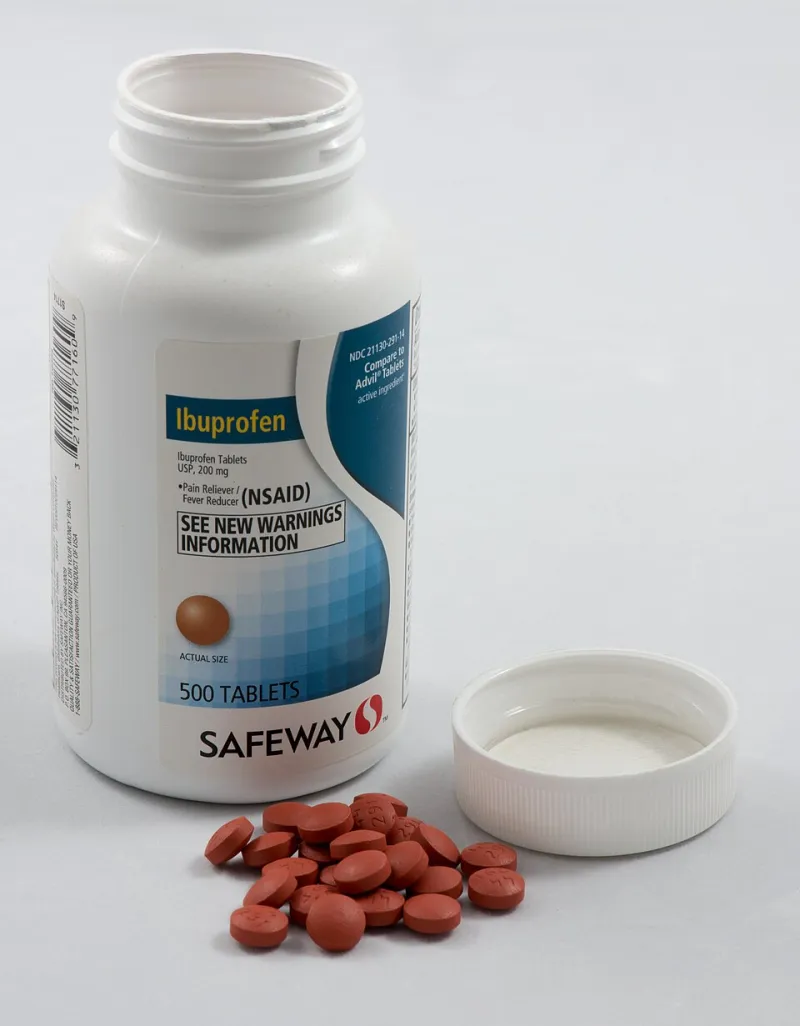
Photo: Derrick Coetzee (User:Dcoetzee), CC0, via Wikimedia Commons
Most men give medication storage roughly as much thought as they give their sock drawer. The bottle goes wherever it goes — bathroom shelf, gym bag, car console — and stays there until the pills run out. But storage conditions quietly determine whether the last pill in the bottle works like the first one did.
What an Expiration Date Actually Means
The date stamped on your prescription is not a suggestion invented by manufacturers. It represents the period during which the drug, stored under proper conditions, retains at least 90% of its labeled potency. Manufacturers establish this through stability testing under controlled temperature and humidity.
The key phrase is proper conditions. Stability testing assumes a cool, dry environment. Your bathroom in July is not that.
The Three Enemies in Your House
Heat. Prolonged exposure above roughly 77°F (25°C) accelerates chemical degradation in most tablets. A car interior in an American summer can exceed 140°F — hot enough to compromise medication within hours. The glove compartment, a surprisingly common pill parking spot, is among the worst places in the vehicle.
Humidity. Bathrooms are the default storage location in most homes and one of the worst. Every hot shower sends humidity spikes through the room, and moisture is particularly damaging to tablets — it can cause them to soften, stick, or break down chemically before their time.
Light. Direct sunlight degrades many active pharmaceutical ingredients. Windowsills and open shelves near windows are out.
Signs a Tablet Has Suffered
Tadalafil tablets that have absorbed moisture or endured heat may show visible changes: discoloration, crumbling, sticking together, softening, or an unusual odor. Any of these warrant replacement, regardless of the printed date. When in doubt, a pharmacist can advise — and many will inspect a bottle at no charge.
The Stockpiling Trap
Because ED medication carries a privacy stigma, many men buy in bulk or accumulate refills they never take, assuming pills keep indefinitely. They do not. A two-year supply stored in a humid bedroom may deliver noticeably weaker doses by the end. Worse, stockpiled medication invites the opposite problem: taking an old, degraded tablet, concluding the medication 'stopped working,' and abandoning an effective treatment.
The smarter pattern is simple — order quantities you will realistically use, and store them correctly.
How to Store It Right
- Keep tablets in their original container, tightly closed; the manufacturer's bottle is engineered for protection
- Store at room temperature, roughly 68–77°F, away from windows and appliances
- Choose a dry, cool location — a bedroom dresser drawer or hallway closet beats the bathroom
- Never leave medication in a parked car, in any season
- Keep out of reach of children and pets; a pill that looks like candy is a hazard
What About Disposal?
Expired medication should not be flushed — pharmaceutical residues have been detected in waterways. The FDA recommends drug take-back programs, many hosted at pharmacies and police stations, or disposal in household trash mixed with something unappealing like coffee grounds, sealed in a bag.
The Bottom Line
Medication potency is a partnership between the manufacturer and the person holding the bottle. The expiration date promises nothing if the pills spend their life in a sauna. A drawer, a lid, and a little distance from the shower will do more for your last dose than any brand-name premium ever will.