Your Erection Is Trying to Tell You Something: The Cardiovascular Warning Hidden in Plain Sight

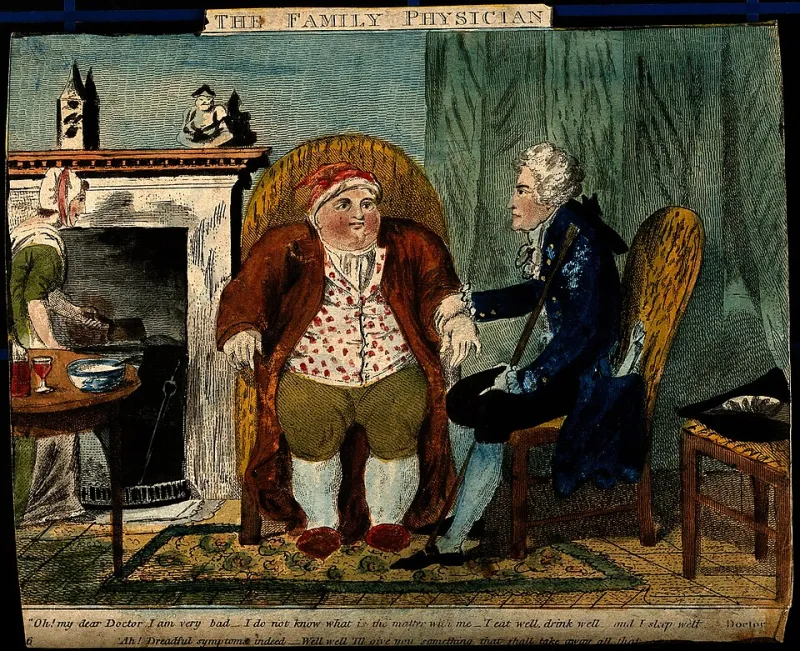
Photo: Unknown authorUnknown author, Public domain, via Wikimedia Commons
For decades, erectile dysfunction has been framed as a men's confidence issue — something addressed quietly, if at all, in hushed conversations with a physician or through late-night television advertisements. What that framing consistently misses is a far more consequential reality: ED is, in a significant percentage of cases, the cardiovascular system issuing an early distress signal. Ignoring it is not merely a lifestyle choice. It may be a dangerous one.
The Vascular System Does Not Compartmentalize
The human body operates as an integrated network, and the vascular system is among its most interconnected components. An erection is, at its most fundamental level, a hemodynamic event — it depends on the smooth, unobstructed flow of blood into the penile arteries. Those arteries are narrow. The penile artery measures approximately 1 to 2 millimeters in diameter, compared to the coronary arteries supplying the heart, which range from 3 to 4 millimeters.
This anatomical reality is critical. Atherosclerosis — the progressive narrowing and hardening of arterial walls caused by plaque accumulation — affects smaller vessels first. The penile arteries, being among the smallest in the body's vascular tree, often show signs of compromise years before the larger coronary arteries become significantly obstructed. In practical terms, this means that a man experiencing unexplained erectile dysfunction in his 40s or early 50s may be witnessing the first measurable consequence of systemic vascular disease that has not yet produced chest pain, shortness of breath, or any other classically recognized cardiac symptom.
What the Research Actually Shows
The clinical literature on this subject has grown substantially over the past two decades. A landmark study published in the Journal of the American College of Cardiology found that men with ED faced a 58 percent higher risk of coronary artery disease, a 34 percent higher risk of stroke, and a 33 percent higher risk of all-cause mortality compared to men without ED — even after controlling for conventional cardiovascular risk factors such as smoking, hypertension, and diabetes.
A separate meta-analysis published in Circulation, reviewing data from over 92,000 patients, concluded that ED independently predicts major adverse cardiovascular events. The association held across age groups, though the predictive value was particularly strong in men under 60, precisely because ED in younger men is less likely to have an obvious hormonal or psychological explanation and more likely to reflect early vascular pathology.
The Princeton Consensus Panel, a group of cardiologists and urologists that has convened multiple times to address this intersection of disciplines, formally recommends that any man presenting with ED and no prior cardiovascular diagnosis receive a thorough cardiac risk assessment. The panel's guidance underscores a point that many primary care encounters still fail to communicate: ED and heart disease share not just risk factors but a common biological origin.
The Endothelium: The Tissue Connecting Both Conditions
At the cellular level, both erectile dysfunction and coronary artery disease trace back to a single tissue type: the endothelium, the thin layer of cells lining the interior of blood vessels throughout the body. Healthy endothelial cells produce nitric oxide, a signaling molecule that relaxes smooth muscle in arterial walls, allowing vessels to dilate and blood flow to increase.
Endothelial dysfunction — a state in which these cells produce insufficient nitric oxide or respond abnormally to signaling — is now understood as the earliest detectable stage of atherosclerosis. It precedes visible plaque formation by years. It also directly impairs erectile function, because penile erection depends almost entirely on nitric oxide-mediated vasodilation.
This shared mechanism explains why the same risk factors — hypertension, hyperlipidemia, insulin resistance, obesity, and smoking — damage both cardiac and erectile health simultaneously. It also explains why treating those risk factors aggressively can improve both outcomes concurrently.
Reclassifying ED as Preventive Medicine
The clinical implications of this evidence are significant. Rather than treating ED as an isolated quality-of-life complaint, physicians are increasingly encouraged to use it as a gateway to comprehensive cardiovascular evaluation. A man who presents with ED is, in effect, offering his healthcare provider a diagnostic opportunity that may not arise again for years — not until a more serious cardiac event makes the underlying disease impossible to ignore.
From a patient perspective, this reframing carries real urgency. Seeking treatment for ED is not vanity. It is not weakness. It is, in many cases, the act of a man paying attention to his body's earliest available warning and choosing to act before the stakes become significantly higher.
Medications in the phosphodiesterase type 5 (PDE5) inhibitor class — including tadalafil, the active compound in Tadacip — work precisely by enhancing nitric oxide signaling and promoting vascular dilation. Ongoing research continues to examine whether these medications offer cardiovascular benefits beyond their immediate therapeutic effects, with several studies suggesting favorable impacts on endothelial function and arterial stiffness with regular use.
What You Should Do If ED Has Gone Untreated
If you have been experiencing erectile dysfunction and have not yet spoken with a physician, the appropriate response is not to wait. The appropriate response is to initiate a conversation that covers not just your sexual health but your blood pressure, cholesterol levels, fasting glucose, and family history of heart disease.
At TadacipRx, we believe that access to treatment should not be an obstacle to that conversation. Our licensed healthcare providers conduct thorough intake assessments that consider the full picture of a patient's health — not simply the presenting complaint. When clinically appropriate, we facilitate access to tadalafil and other medications as part of a broader health strategy, not as a standalone fix.
The body rarely presents its most serious problems without warning. Erectile dysfunction, understood correctly, is one of those warnings. Treating it promptly, and investigating its potential causes comprehensively, is among the most proactive steps an American man can take for his long-term cardiovascular health.
Do not dismiss what your body is telling you. The information it is offering may be more important than you realize.