When the Gym Becomes the Enemy: How Overtraining Can Quietly Undermine Men's Sexual Health
There is a particular kind of frustration that belongs almost exclusively to physically fit men: the realization that despite a disciplined training schedule, a carefully managed diet, and a body that looks the picture of health, something is wrong in the bedroom. For many, this disconnect — between outward vitality and private difficulty — goes unexamined for months or even years. The assumption, understandable as it is, is that fitness and sexual health move in the same direction. The evidence, however, tells a more complicated story.
Physical activity is, in general, profoundly beneficial for erectile function. Regular moderate exercise improves cardiovascular efficiency, reduces inflammation, supports healthy testosterone levels, and enhances blood flow — all of which are prerequisites for reliable erectile performance. But the relationship between exercise and sexual health is not linear. Push past a certain threshold, and the very habits designed to strengthen the body can begin to work against it.
The Hormonal Cost of Pushing Too Hard
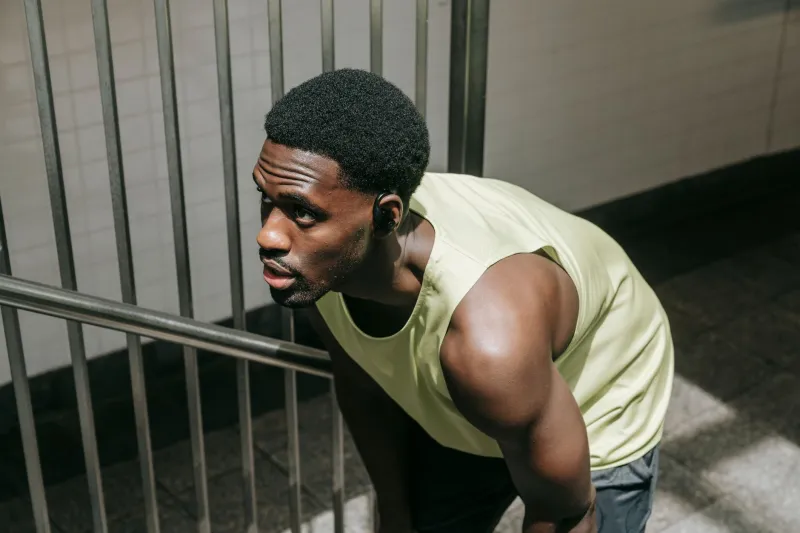
At the center of this paradox is testosterone, the primary androgen responsible for libido, erectile readiness, and overall male sexual function. Testosterone levels respond to exercise in nuanced ways. Resistance training and high-intensity interval work tend to produce short-term spikes in testosterone, which, over time, can contribute to modestly elevated baseline levels. However, chronic overtraining — particularly prolonged endurance exercise performed without adequate recovery — can suppress the hypothalamic-pituitary-gonadal (HPG) axis, the hormonal signaling chain that governs testosterone production.
This condition, sometimes referred to informally as "exercise-induced hypogonadism" or "relative energy deficiency in sport" (RED-S), has been documented in endurance athletes ranging from competitive cyclists to marathon runners. When the body perceives sustained physical stress without sufficient caloric and rest-based recovery, it begins to treat reproduction as a non-essential function — redirecting resources away from hormone production and toward immediate survival demands. The result can include reduced libido, difficulty achieving or maintaining erections, and a general dampening of sexual interest that may be mistaken for psychological stress or relationship difficulties.
Excessive Cardio: A Specific Concern
While strength training performed in moderation tends to support testosterone, high-volume aerobic training presents a more complicated picture. Research has suggested that men who log very high weekly mileage — particularly in cycling, running, or similar disciplines — may experience measurable reductions in free testosterone. Cycling, notably, carries an additional mechanical risk: prolonged pressure on the perineal region from saddle design can compress the pudendal nerve and restrict blood flow to the genitals, contributing to erectile difficulties that are partly structural rather than purely hormonal.
None of this is an argument against cardiovascular fitness. Cardiovascular health is, in fact, one of the most important protective factors against erectile dysfunction in the general population. The concern is specifically with volume and recovery — with the gap between what the body is being asked to do and what it is being given the resources to repair.
The Body Fat Trap
Another dimension of this issue involves body composition extremes. Men who pursue very low body fat percentages — whether for competitive bodybuilding, physique sports, or personal aesthetic goals — may inadvertently suppress testosterone through caloric restriction and the loss of adipose tissue that plays a role in hormone metabolism. Fat cells contain aromatase, an enzyme involved in converting androgens to estrogens, and while excess body fat is associated with higher estrogen levels (which can impair erectile function), extremely low body fat can disrupt the delicate hormonal balance in the opposite direction.
Compound this with the psychological stress of strict dieting, sleep disruption from early-morning training sessions, and the cortisol burden of repeated intense exercise, and the conditions for sexual dysfunction become surprisingly favorable — even in men who appear to be in peak physical condition.
Recognizing the Signs
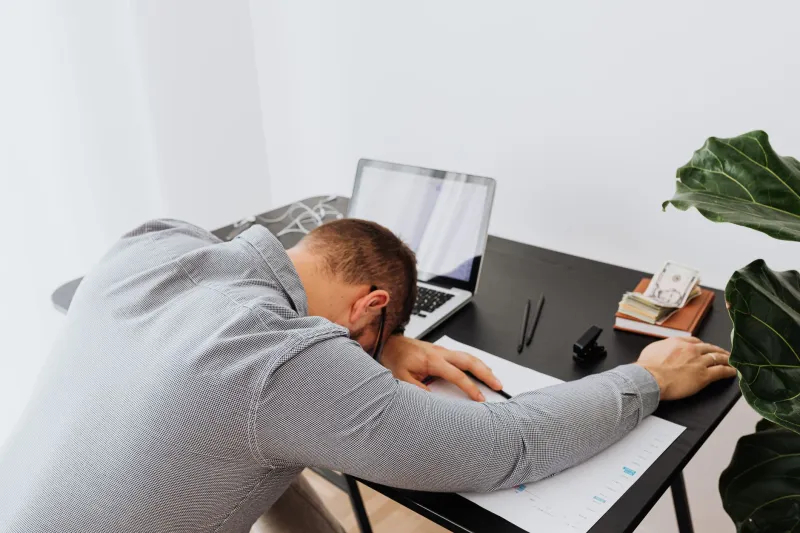
The challenge for many active men is that the symptoms of overtraining overlap substantially with the symptoms of other conditions, including depression, sleep disorders, and relationship stress. Persistent fatigue that does not resolve with rest, a declining interest in sex, difficulty achieving erections despite adequate arousal, and a general sense of emotional flatness are all potential indicators that the training load has exceeded the body's recovery capacity.
If these symptoms emerge alongside an increase in training volume or intensity, or during periods of aggressive caloric restriction, overtraining should be considered as a contributing factor — and a conversation with a healthcare provider should follow promptly rather than after months of self-diagnosis.
Recalibrating the Approach
For men who suspect their fitness regimen may be working against their sexual health, the corrective measures are often less dramatic than they fear. The goal is not to abandon training but to restructure it with recovery as a genuine priority rather than an afterthought.
Practical adjustments worth considering include:
- Reducing weekly training volume by 20 to 30 percent for a period of four to six weeks and monitoring changes in energy, mood, and sexual function.
- Prioritizing sleep — seven to nine hours per night — as the single most important recovery variable for testosterone maintenance.
- Ensuring adequate caloric intake, particularly protein and dietary fat, both of which are essential substrates for hormone production.
- Incorporating structured rest days rather than replacing heavy training with lighter "active recovery" sessions that still accumulate physiological stress.
- Reviewing saddle fit and positioning for cyclists experiencing genital numbness or erectile changes, and consulting a sports medicine professional if symptoms persist.
When Lifestyle Adjustments Are Not Enough
It is important to acknowledge that for some men, even a well-calibrated training program will not fully resolve erectile difficulties. Overtraining may have been the initiating factor, but other contributors — vascular changes, psychological patterns, medication side effects, or underlying hormonal conditions — may have developed alongside it. In these cases, lifestyle modification is a necessary but insufficient intervention.
This is where healthcare access becomes essential. A physician can evaluate testosterone levels through simple bloodwork, assess cardiovascular health, and discuss evidence-based treatment options that address both the root causes and the immediate symptoms of erectile dysfunction. For men who face barriers to in-person care — whether geographic, financial, or logistical — telehealth platforms and online pharmacy services have meaningfully expanded the ability to access professional guidance and, where appropriate, prescription treatment without the friction of traditional office visits.
At TadacipRx, we believe that access to accurate health information and trusted medications should not require navigating a complicated or inconvenient healthcare system. Whether a man's sexual health concerns stem from overtraining, an underlying condition, or some combination of factors, the path forward begins with honest self-assessment and a willingness to seek qualified medical input.
The Takeaway
Fitness and sexual health are allies, not adversaries — but only when exercise is pursued with an understanding of its physiological limits. The man who trains six days a week, sleeps six hours a night, and subsists on a caloric deficit in pursuit of a lower body fat percentage may be building a body that looks strong while quietly dismantling the hormonal infrastructure that makes it function at its best.
Recognizing this paradox is not a reason to step back from an active lifestyle. It is a reason to train more intelligently, recover more deliberately, and take the body's signals — including those that surface in the bedroom — seriously enough to act on them.