Nine Legitimate Ways to Shrink Your ED Prescription Bill This Year
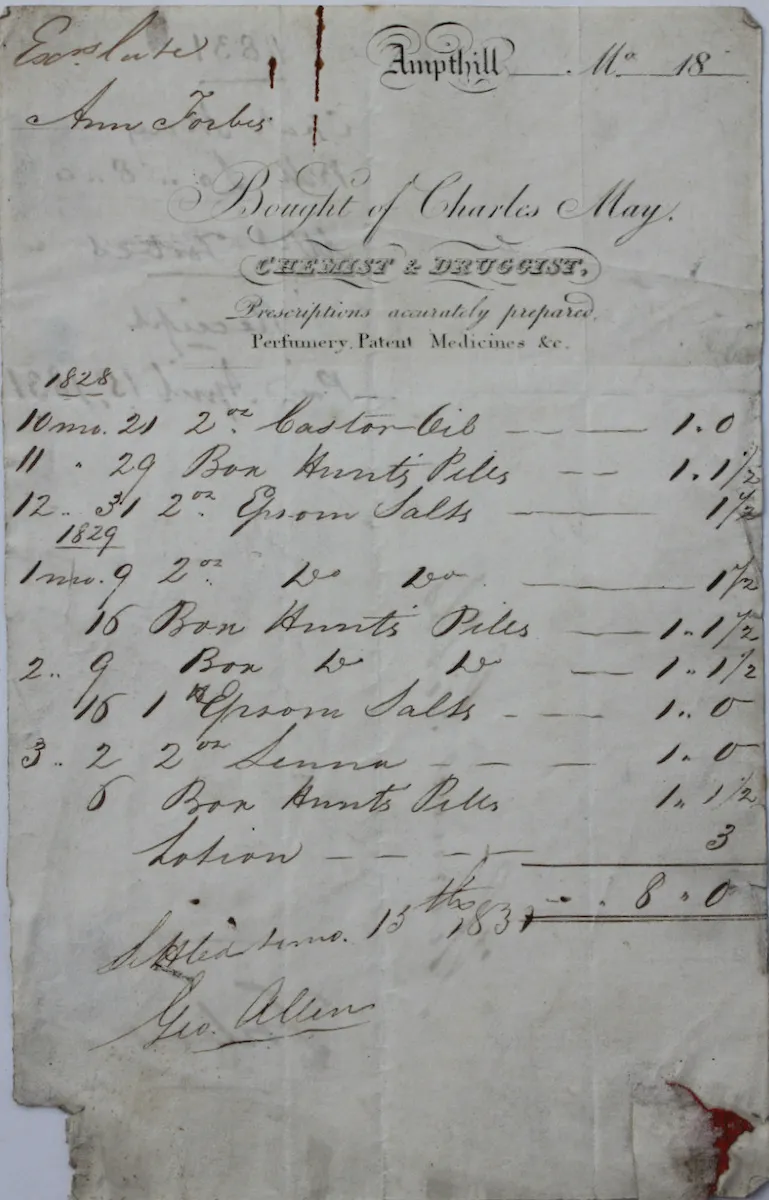
Photo: Charles May 1901-1860, Public domain, via Wikimedia Commons
Prescription drug pricing in the United States is opaque by design. Two men can pay for the identical generic tablet at two pharmacies in the same town and see a difference of fivefold or more. For medications like tadalafil and sildenafil — prescribed frequently, often without insurance coverage — the spread is especially wide. The good news: a handful of legitimate strategies can meaningfully cut costs. Here are nine of them.
1. Use Pharmacy Price-Comparison Tools
Services such as GoodRx, SingleCare, and Cost Plus Drugs publish cash prices that frequently undercut insurance copays. These are not insurance; they are negotiated discount programs free to use. Before filling any ED prescription, compare prices across nearby pharmacies — the variation for generic tadalafil can exceed $100 per month.
2. Ask About a 90-Day Fill
Pharmacies discount longer supplies. A 90-day fill of a stable, ongoing medication typically costs 20–30% less per dose than three 30-day fills, and it saves trips. If your regimen is established and your prescriber agrees, request the longer supply.
3. Check HSA and FSA Eligibility
Erectile dysfunction medications are generally eligible expenses under Health Savings Accounts and Flexible Spending Accounts when prescribed for a diagnosed condition. Paying with pre-tax dollars effectively discounts the purchase by your marginal tax rate. Keep the prescription documentation — FSAs require it.
4. Ask the Manufacturer About Patient Assistance
Brand-name manufacturers (for Cialis, this means Eli Lilly) have historically offered savings cards and patient assistance programs. While brand products often cost more than generics even with a card, the programs are worth checking, particularly for men without coverage.
5. Compare Telehealth Bundles
Telehealth platforms increasingly bundle the consultation and the medication into a flat monthly fee. For men paying cash — and many do, since most US insurers exclude ED drugs — a bundle can cost less than a separate office visit plus retail prescription. Compare the total cost, including any subscription lock-in.
6. Verify Generic Equivalence
Generic tadalafil and sildenafil are FDA-approved bioequivalents of the brand drugs. There is no clinical reason to pay brand prices unless a physician specifically directs otherwise. If a pharmacy quotes a brand-only price, ask directly whether the generic is in stock.
7. Ask Your Prescriber About Dose Splitting
Higher-strength tablets often cost only modestly more than lower-strength ones. Some prescribers will write for a higher strength with instructions to split tablets, effectively halving the per-dose cost. This is appropriate only for medications that split cleanly and only with explicit medical guidance — never improvise it.
8. Review Your Insurance Formulary Annually
Coverage changes at plan renewal. Some Medicare Advantage and employer plans have added ED coverage; others have dropped it. During open enrollment, check the formulary for sildenafil and tadalafil tiers — a plan that looks more expensive overall may be cheaper for the medications you actually use.
9. Shop Licensed, Verified Pharmacies Only
Every legitimate discount is voided by a counterfeit product. Use pharmacies verified through the National Association of Boards of Pharmacy's ".pharmacy" program or LegitScript certification. A US-licensed pharmacy will require a valid prescription, list a physical address and licensed pharmacist contact, and accept payment through standard channels.
When an Offer Is Too Good to Be True
Treat these as disqualifiers: no prescription required, prices dramatically below the lowest verified US cash price, payment requested by wire transfer or cryptocurrency, no verifiable US address, or spam-solicited offers. Counterfeit ED medications are among the most seized products by US Customs and Border Protection, and they frequently contain wrong doses, wrong ingredients, or dangerous contaminants.
The consistent theme across all nine strategies is the same: savings come from transparency and verification, not from shortcuts. A man who compares prices, uses pre-tax dollars where available, and buys only from licensed sources typically pays a fraction of the worst-case retail price — legally, safely, and with a paper trail his physician can review.